
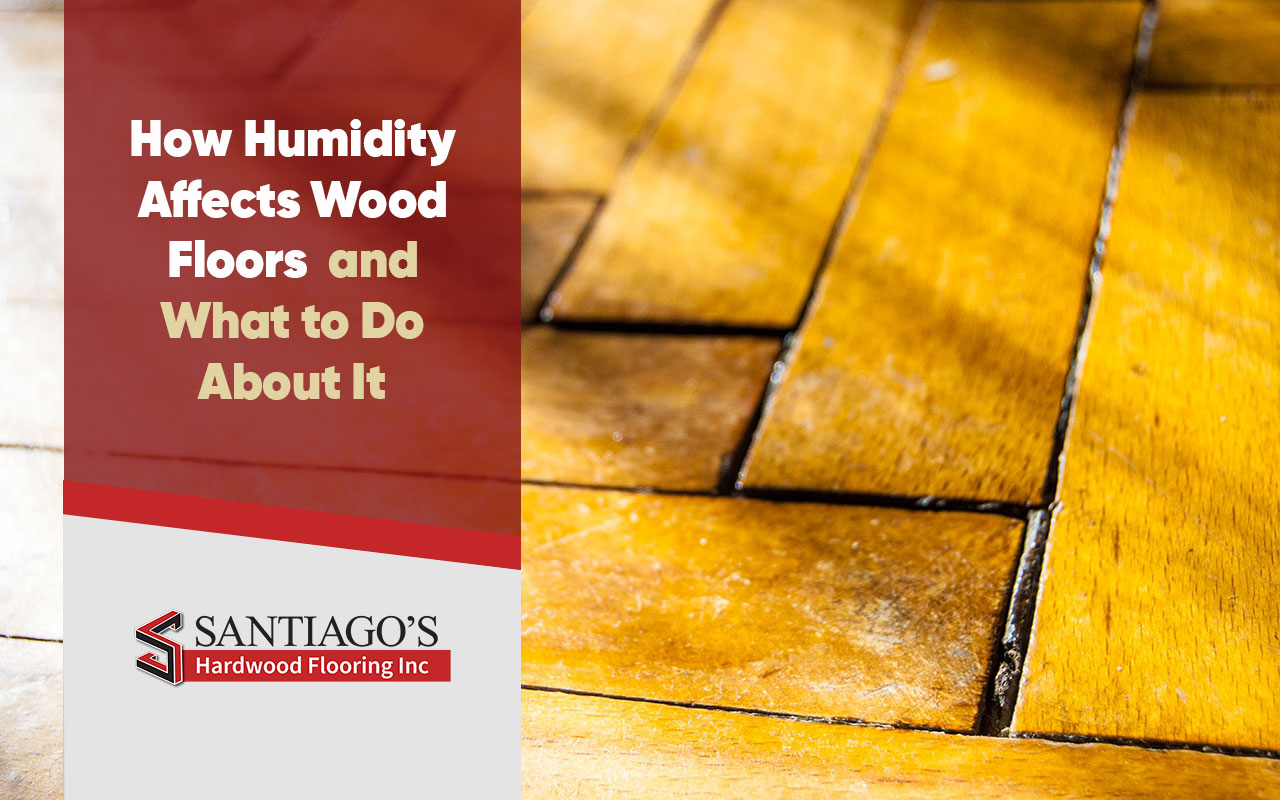
Wood flooring adds warmth and character to any home, but it also comes with specific care requirements, especially in areas like Pennsylvania, where humidity levels shift drastically by season. If you’ve ever noticed a creaky floor in summer or gaps in winter, you’ve likely seen firsthand how humidity affects wood floors.
At Santiagos Hardwood Flooring Inc, we help homeowners maintain beautiful floors all year long with seasonal care tips designed for Pennsylvania’s climate.
Why Humidity Causes Wood Floors to Change
Wood is a natural material that responds to changes in moisture and air. In humid weather, it absorbs water vapor and expands. When the air dries out, it contracts. These changes can be subtle or dramatic, depending on your flooring type, home ventilation, and maintenance routine.
Understanding the signs early helps prevent long-term damage like gaps, cupping, or warped boards.
Warning Signs to Watch for
Moisture Under Wood Floor Surfaces
Trapped moisture can lead to serious problems beneath your floorboards. If you feel soft spots, notice a musty smell, or see discoloration, you may be dealing with moisture under the wood floor. Left untreated, this can lead to mold, mildew, or permanent structural damage.
Warped Hardwood Floor Boards
When floors expand too much, they may buckle or lift at the edges—a clear sign of a warped hardwood floor. This usually happens when humidity spikes in summer or if water has been allowed to pool without proper ventilation.
5 Tips to Protect All Flooring Year-Round
Maintaining wood floors through the seasons doesn’t have to be hard. Here are a few simple ways to care for them:
- Use a humidifier in winter to avoid shrinking and cracking
- Run a dehumidifier in summer to limit moisture buildup
- Wipe up spills quickly to avoid seepage between boards
- Allow proper ventilation during humid days
- Monitor indoor humidity with a basic gauge and aim for 35–55%
Following these steps can help protect all flooring surfaces in your home—not just hardwood—from seasonal damage.
When to Call a Professional
Sometimes the signs are subtle, like slight creaking or uneven floor height. Other times, the damage is more obvious, such as lifted boards or recurring damp areas. If your floors feel off and you’ve tried home care methods without success, it’s time for a professional assessment.
At Santiagos Hardwood Flooring Inc, we specialize in hardwood floor inspections and can determine whether you’re dealing with seasonal changes or something more serious beneath the surface.
FAQs About Humidity and Wood Floors
Can humidity permanently damage wood flooring?
Yes, especially if the moisture isn’t managed. Repeated swelling and shrinking can weaken fasteners and lead to permanent warping.
How do I know if I have moisture under wood floors?
Soft spots, squeaks, or musty odors are common signs. In more advanced cases, boards may begin to lift or shift.
What’s the ideal humidity level to protect wood floors?
Keeping your home between 35% and 55% humidity helps prevent expansion or contraction that causes flooring problems.
Keep Your Wood Floors Beautiful in Every Season
If you’ve been wondering how humidity affects wood floors, the answer is simple: moisture control is key. Whether it’s preventing a warped hardwood floor in summer or managing dry air in winter, staying ahead of the season helps extend the life of your floors.
Contact Santiagos Hardwood Flooring Inc today for expert care and inspections tailored to Pennsylvania’s climate.